Is it OK for non-Māori to perform haka? New show investigates appropriation
A new show is asking whether it is acceptable for non-Māori to perform haka, examining where cultural sharing ends and appropriation begins.
Mariana Whareaitu··3 min read
A new show is asking whether it is acceptable for non-Māori to perform haka, examining where cultural sharing ends and appropriation begins.
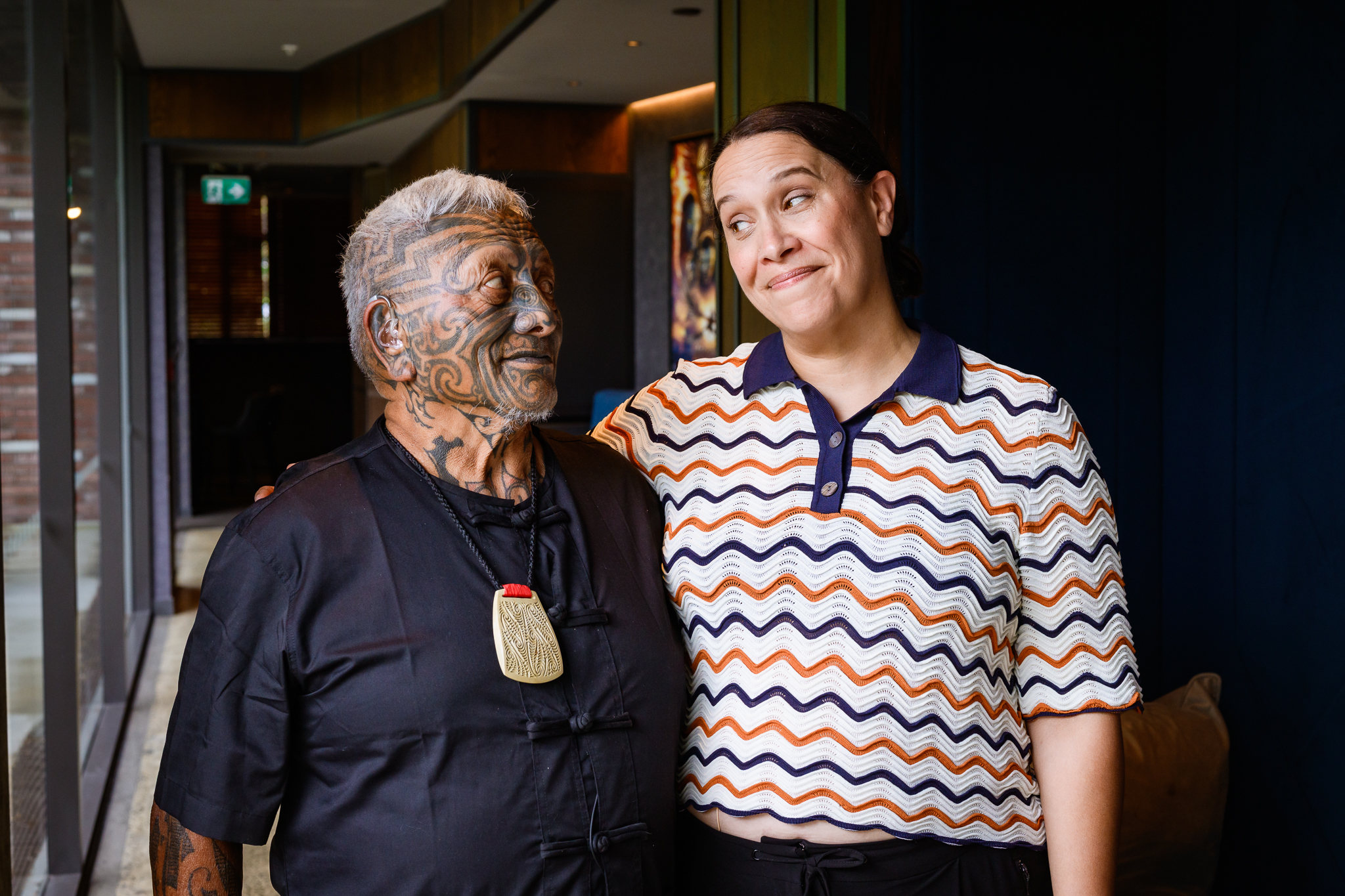
Performers on stage during a haka.
A new show is asking whether it is acceptable for non-Māori to perform haka, examining where cultural sharing ends and appropriation begins.
Haka is performed on sports fields, at graduations, at funerals and at welcomes, and its global visibility has raised questions about who may perform it, in what setting and with what understanding.
The programme brings together practitioners, kaumātua and performers to talk through tikanga, intention and context, rather than reducing the question to a simple yes or no.
Contributors argue that permission, guidance and genuine engagement with meaning make the difference between respectful participation and hollow imitation.
The result is less a verdict than an invitation: to learn the words, understand the occasion, and accept that some performances are not yours to lead.

Disability Issues Minister Louise Upston has announced a national service dog ID card, saying the standardised card should reduce confusion when certified disability assistance dog teams access public places, businesses and public transport.
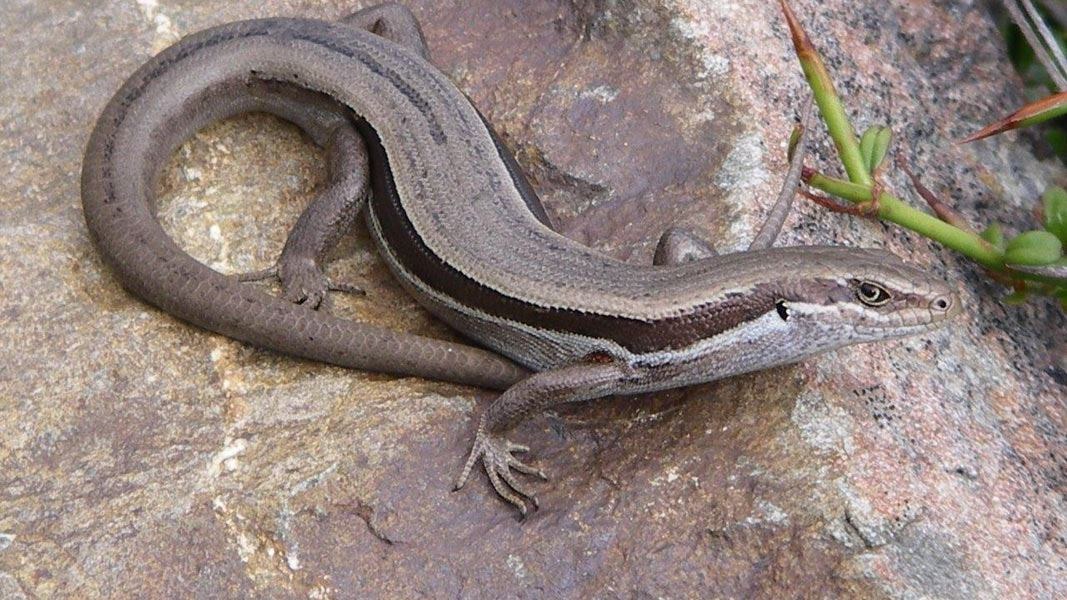
Funding will create safe backup populations for Hamilton's frog and the white-bellied skink, two native species found nowhere else in the world and now at serious risk of extinction.

Education Minister Erica Stanford says the School Onsite Training Programme will expand to 704 places a year from 2028, part of a $21.7 million five-year investment aimed at producing more classroom-ready teachers.