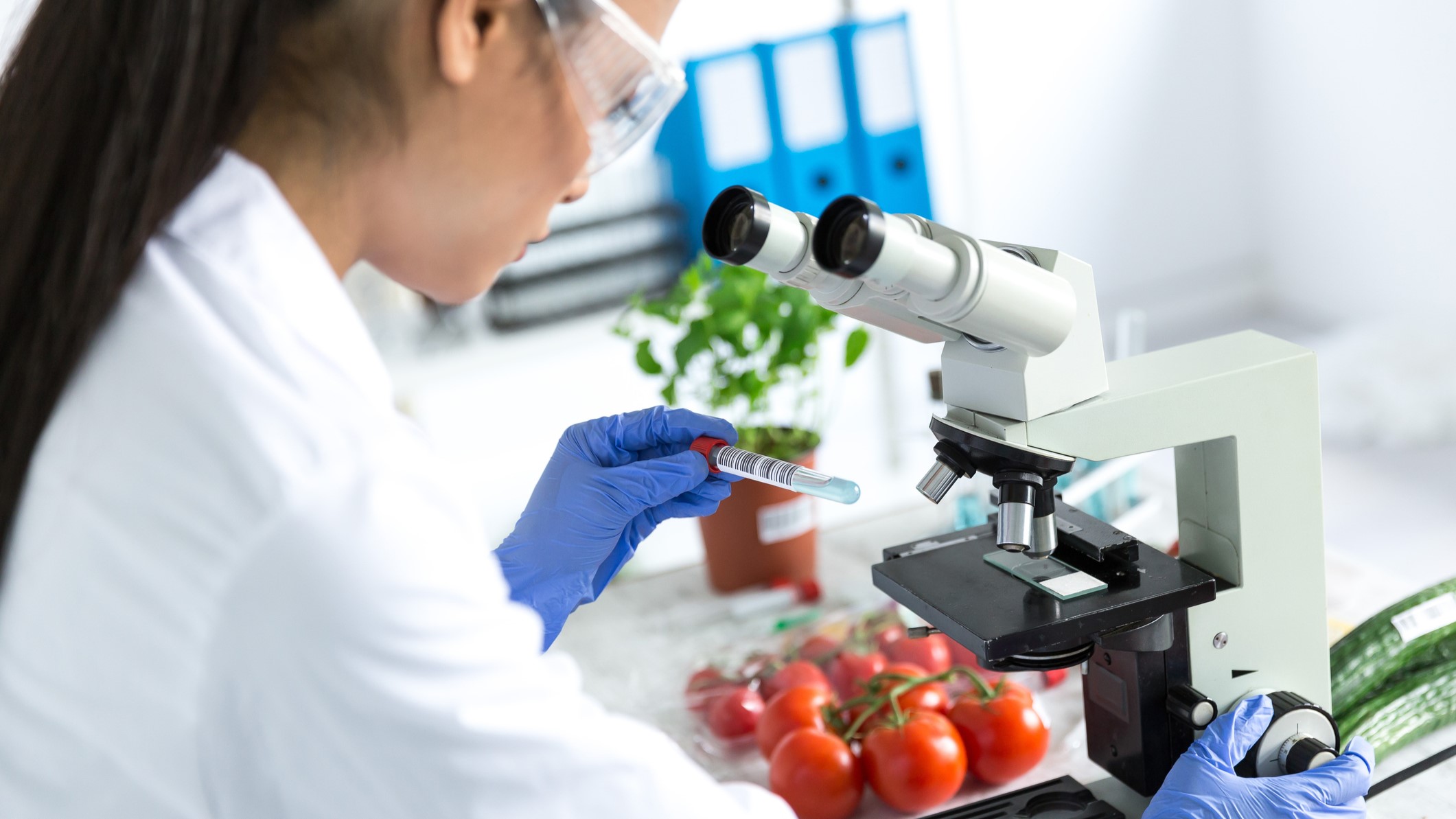
Hidden chemical universe in our food: What's in the nutritional 'dark matter'?
Decades of dietary advice have focused on cutting fat, salt or sugar, yet obesity and diet-related illness keep rising. Researchers increasingly think the problem is that nutrition science has been looking at a very small part of what we actually eat.
Kiwi News Desk··2 min read
Hidden chemical universe in our food: What's in the nutritional 'dark matter'?
Decades of dietary advice have focused on cutting fat, salt or sugar, yet obesity and diet-related illness keep rising. Researchers increasingly think the problem is that nutrition science has been looking at a very small part of what we actually eat.
Food contains tens of thousands of chemical compounds, only a fraction of which appear on nutrition labels or in food composition databases. The rest, sometimes called nutritional dark matter, includes polyphenols, alkaloids and countless plant metabolites whose effects on human health are barely mapped.
Poor diet is linked to roughly one in five deaths among adults over 25 worldwide, and to nearly half of cardiovascular deaths in Europe. If most of the biologically active compounds in food remain unmeasured, dietary guidelines built on macronutrients alone will always be incomplete.
The emerging view is less about individual nutrients and more about food as a complex chemical system, which is a harder message to put on a label but a more honest description of what a meal actually is.
Disability Issues Minister Louise Upston has announced a national service dog ID card, saying the standardised card should reduce confusion when certified disability assistance dog teams access public places, businesses and public transport.
Funding will create safe backup populations for Hamilton's frog and the white-bellied skink, two native species found nowhere else in the world and now at serious risk of extinction.
Education Minister Erica Stanford says the School Onsite Training Programme will expand to 704 places a year from 2028, part of a $21.7 million five-year investment aimed at producing more classroom-ready teachers.