You left your false teeth in the back of an Uber?
Rideshare lost property teams say the strangest items left behind in New Zealand cars go well beyond phones and wallets — false teeth included.
Emma Hildesley··3 min read
Rideshare lost property teams say the strangest items left behind in New Zealand cars go well beyond phones and wallets — false teeth included.
A set of false teeth, among the more unusual items left behind in rideshare vehicles.
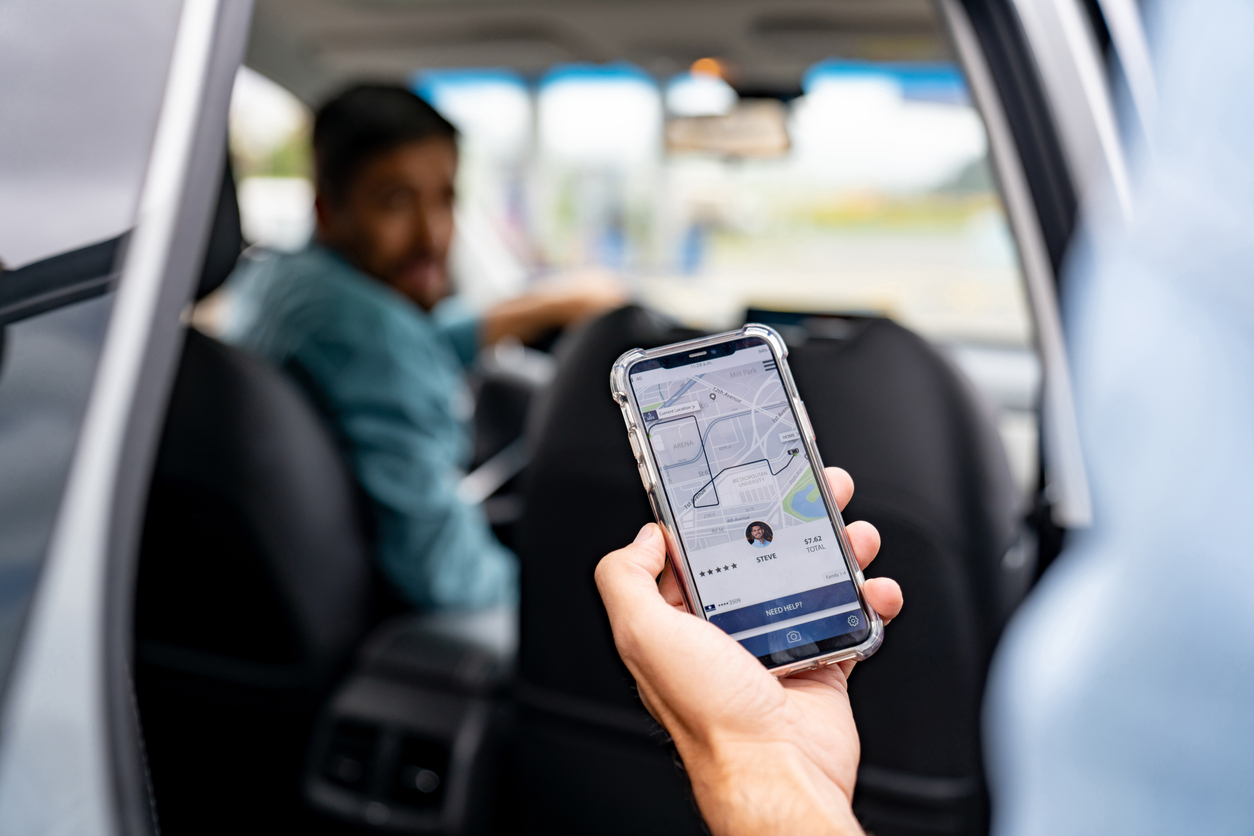
Phones, wallets and jackets dominate rideshare lost property lists, but drivers and platform support teams say the tail of unusual items is far longer than most passengers imagine — and this year it includes a set of false teeth left in the back seat of an Auckland car.
Lost property in rideshare vehicles is a quiet logistics problem. Items move between drivers, depots and passengers who may already be on a flight, and platforms rely on in-app reporting to reunite the two. The faster a passenger reports an item, the more likely the driver still has it in the vehicle.
Drivers say the practical advice is simple: check the seat and footwell before closing the door, and report anything missing through the app rather than waiting. Once a driver has completed several more trips, tracing which vehicle held an item becomes considerably harder.
For passengers, the reassurance is that most items are recovered. For drivers, the recurring frustration is the small unpaid work of storing, transporting and returning other people's belongings — a cost that rarely appears in the economics of the job.

Disability Issues Minister Louise Upston has announced a national service dog ID card, saying the standardised card should reduce confusion when certified disability assistance dog teams access public places, businesses and public transport.

Funding will create safe backup populations for Hamilton's frog and the white-bellied skink, two native species found nowhere else in the world and now at serious risk of extinction.
Education Minister Erica Stanford says the School Onsite Training Programme will expand to 704 places a year from 2028, part of a $21.7 million five-year investment aimed at producing more classroom-ready teachers.