Customs Case Puts Dual-Use Export Rules In Plain View
A Manukau court case over thousands of integrated circuits has turned an obscure export-control duty into a practical warning for New Zealand technology exporters.
Kiwi News Desk··4 min read
A Manukau court case over thousands of integrated circuits has turned an obscure export-control duty into a practical warning for New Zealand technology exporters.
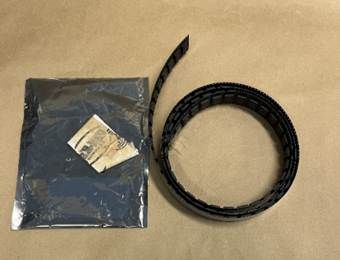
Customs says the seized integrated circuits were dual-use goods with potential military applications.
New Zealand's first prosecution of its kind over sensitive-technology export controls has put a sharper edge on a rule many businesses may have treated as back-office compliance.
APVM Electronics Private Limited has been fined $18,720 after pleading guilty to two charges linked to attempted exports of integrated circuits. Customs says the company tried to send 9,000 integrated circuits to Singapore in March 2025 and a further 98 to Hong Kong later that month without notifying the Ministry of Foreign Affairs and Trade.
The goods were seized before export. Integrated circuits can be ordinary commercial components, but some can also be used in drones, weapons-guidance systems and missile technology. That dual-use character is what triggers additional scrutiny.
The wider point for exporters is straightforward: knowing the customer is no longer enough. Businesses also need to understand the technical nature of the goods, the destination, the end user and the possible end use. Customs says notification allows authorities to assess those risks before components leave the country.
The case matters because New Zealand is trying to protect its reputation as a trusted trading partner while small, high-value technology components become easier to move through global supply chains. A shipment that looks minor by size can still have serious security implications if the parts are diverted.
For technology firms, the lesson is not that every electronic component is suspect. It is that due diligence has to be specific. Export controls sit at the point where commercial speed, national security and international obligations meet, and this conviction shows the Crown is willing to enforce that line.

KiwiRail's first standalone sustainability report gives the national rail operator a new benchmark for emissions, resilience and customer reporting.

New Zealand-founded SYOS Aerospace has appointed two senior leaders after its first institutional capital raise, with founder and chief executive Samuel Vye positioning the company for global defence, civil and commercial delivery.
Rail Minister Winston Peters is pointing to KiwiRail's latest annual result as evidence the state-owned rail operator is improving its commercial position, with the Government citing a $162 million operating surplus and 11 percent growth in rail freight revenue.